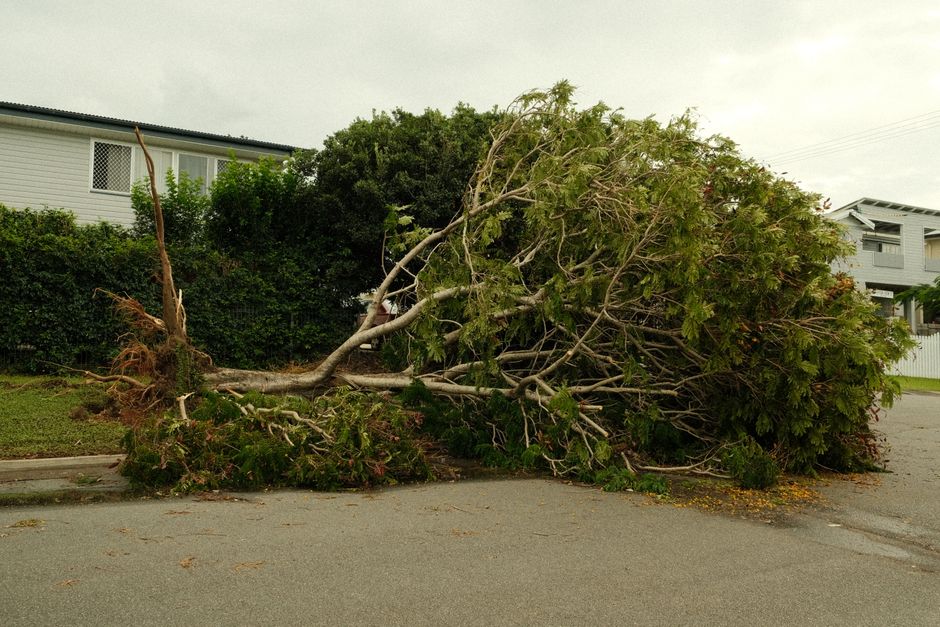
Cranford emergency gardeners for blocked access and fallen trees
If a tree has come down across a drive, a hedge has collapsed into the path, or storm debris has left your gate unusable, you need more than a routine garden tidy-up. You need a calm, practical response. That is where Cranford emergency gardeners for blocked access and fallen trees come in: fast, safe clearance that helps you get back into your property, protect people on site, and stop a messy situation from becoming a bigger one.
In Cranford, bad weather, overgrown boundaries, and older trees can all create sudden access problems. Sometimes it is obvious-there is a trunk across the entrance and you cannot get a car in or out. Other times it is less dramatic but still awkward: branches are hanging low, a hedge has slumped, or garden waste has blown across a walkway. This guide explains what emergency garden clearance involves, how the process works, what to expect, and how to choose the right support when time matters.
- Why it matters
- How emergency garden work works
- Key benefits and practical advantages
- Who it is for and when it makes sense
- Step-by-step guidance
- Expert tips for better results
- Common mistakes to avoid
- Tools, resources and recommendations
- Law, compliance, standards and best practice
- Options and comparison table
- Case study or real-world example
- Practical checklist
- Conclusion
- Frequently asked questions
Why Cranford emergency gardeners for blocked access and fallen trees Matters
Blocked access is not just inconvenient. It can stop deliveries, prevent you from parking, delay school runs, and make it difficult for anyone with mobility needs to get in or out safely. A fallen tree can make this worse in seconds. A large limb across a boundary fence, driveway, or shared path changes the whole feel of the property. It becomes a safety issue, a practical issue, and honestly, a stress issue too.
Emergency garden support matters because the first few hours after damage are often the most important. Loose branches can shift. A half-fallen tree can lean further after rain or wind. Wet timber, unstable roots, and hidden debris all raise the risk level. You do not want a quick DIY attempt with a saw and a hopeful attitude. Let's face it, the garden always looks less cooperative when the weather is against you.
There is also the question of access for services. If your front entrance, shared side passage, or rear garden gate is blocked, getting in the right people quickly can save time and reduce knock-on damage. In some cases, the priority is to open a safe route first, then deal with the rest of the clearance in stages. That staged approach is often the sensible one.
Expert summary: Emergency garden work is about restoring safe access first, then dealing with tree debris, unstable growth, and any follow-up clearance in a controlled way. Speed matters, but safe decisions matter more.
If you want to understand the wider service picture as well, the services overview is a useful place to see how clearance, pruning, and maintenance fit together. For regular prevention after the emergency is handled, garden maintenance can help reduce the chance of a repeat problem.
How Cranford emergency gardeners for blocked access and fallen trees Works
The process is usually more methodical than people expect. A good emergency team does not rush in and start cutting at random. They assess what is blocking access, what is safe to move first, and whether any part of the tree or hedge is still under tension. That last bit matters a lot. Timber under strain can spring, twist, or drop in an ugly, unpredictable way. Not ideal.
Here is the practical flow you will usually see:
- Initial call or message. You explain what has happened, where the blockage is, and whether anyone is trapped, injured, or unable to leave.
- Quick safety triage. The gardener checks whether the issue is a simple clearance job or whether it needs a more cautious tree-removal response.
- Site arrival and inspection. The team looks at access routes, overhead hazards, nearby fences, vehicles, walls, and anything fragile.
- Priority clearance. The most urgent obstruction is removed first so the property can be accessed safely.
- Controlled cutting and removal. Branches, trunk sections, and debris are reduced in manageable pieces and moved away.
- Final tidy and waste handling. The area is cleared as far as practical, with a plan for recycling or disposal where appropriate.
In many situations, the emergency job overlaps with more standard arboricultural or garden work. For example, a fallen tree might need careful lopping and removal, while the crushed undergrowth and broken boundary planting can be dealt with through a wider clearance. If the blockage came from unmanaged growth rather than storm damage, hedge trimming and routine pruning may also become part of the longer-term fix. You can see how those services connect by looking at tree lopping and removal and hedge trimming.
Truth be told, the best outcomes come from clear communication. If a vehicle cannot get out, say so. If the problem is a shared access lane, say that too. The more precise the description, the faster the response can be organised.
Key Benefits and Practical Advantages
Emergency gardeners bring a few advantages that matter immediately and a few that pay off later. The obvious one is speed. The less obvious one is control. A trained, organised response usually leaves less secondary damage than a hurried attempt by someone with a ladder, a basic saw, and too much confidence.
Here are the main benefits people tend to notice:
- Restored access: driveways, side passages, gates, and rear paths can be opened again.
- Lower risk: unstable branches and slippery debris are removed before someone trips or gets hurt.
- Less property damage: careful cutting reduces the chance of scratching cars, fence panels, paving, or decking.
- Better decision-making: the blockage is assessed rather than guessed at.
- Cleaner handover: you are not left with a pile of waste and a half-solved problem.
There is also a practical financial angle. Acting quickly can sometimes stop a small issue becoming a bigger one. A cracked fence panel, for instance, is easier to replace than a fence that has been dragged down by a shifting rootball and left exposed to another windy night. Small thing, but it adds up.
For properties with ongoing access pressure, such as narrow side returns or long garden routes, it can be helpful to combine the emergency response with a wider tidy-up or garden clearance. That keeps pathways usable and reduces the amount of dead material sitting around waiting for the next gust of wind. The garden clearance service is worth considering where storm damage has created a lot of mixed waste and broken growth.
Who This Is For and When It Makes Sense
This kind of service is for anyone who needs access restored quickly and safely. That might sound obvious, but the situations vary more than you might think. A family trying to get a car out for work. A landlord with a blocked rear entrance. A homeowner dealing with a fallen tree after a windy night. A business premises where staff or customers cannot reach a back entrance. Same problem, different pressure.
It makes sense when:
- a fallen tree or large branch is physically blocking entry or exit
- a hedge, shrub mass, or windblown debris is preventing safe movement
- you need the site made safe before other work can continue
- the blockage is unstable, wet, tangled, or under tension
- you are not sure whether the issue is garden clearance, tree removal, or both
It is also useful if the blockage is not dramatic but still awkward. Maybe you can squeeze through the gate if you turn sideways and hold your breath. That is not really access. That is a workaround, and not a very good one. If a route feels unsafe or embarrassing to use, it is usually worth dealing with properly.
There is a difference between routine trimming and emergency intervention. Routine work is about keeping things neat. Emergency work is about getting control back when the garden has stopped behaving itself. The two can overlap, but the urgency changes everything.
Step-by-Step Guidance
If you are facing blocked access right now, the next few steps can make the situation safer and easier to handle. Keep it simple. You do not need a perfect plan; you need a sensible one.
- Stop and look first. Check whether anyone is hurt and whether the obstruction is stable.
- Keep people away. Children, pets, and curious neighbours should not be near hanging limbs or moving timber.
- Avoid cutting without assessment. A branch that looks light can be under serious tension.
- Take a few clear photos. These help explain the situation when you speak to a gardener and can make the call faster.
- Note the access point. Front drive, side gate, rear path, shared lane, or garden entrance-be specific.
- Ask for the priority to be stated clearly. Is the goal access restoration, hazard reduction, or full clearance?
- Plan for waste. If there is a large volume of material, ask whether it will be removed, stacked, or recycled.
After the emergency work, it is worth thinking one step ahead. Was the tree already leaning? Had the hedge become brittle and top-heavy? Was the access route too tight in the first place? These are useful clues for preventing the next headache. That is where a more considered approach to landscaping or landscape gardening can make the property easier to maintain and safer to move through.
A small real-world note: people often forget the back gate. Yet the rear entrance is frequently the one that gets blocked first because it is narrower and less visible. You notice it when the bins stop moving, or when you realise you cannot get tools through. Annoying, but fixable.
Expert Tips for Better Results
There are a few practical habits that make emergency garden work smoother, safer, and usually cheaper in the long run. Nothing exotic. Just common-sense stuff that experienced teams appreciate.
- Describe the obstruction in layers. Say what is blocked, what fell, and what is at risk nearby.
- Point out fragile items. Cars, conservatory panels, decking, ornaments, bins, and lighting can all change the plan.
- Be honest about access. If there is no parking near the site or the passage is tight, say so upfront.
- Don't tidy around the hazard yourself. People often move light debris and forget the heavy bit is the real issue.
- Think about drainage and mud. Wet ground can turn a simple access route into a slidey mess by evening.
If you are dealing with repeated growth issues rather than one-off storm damage, a maintenance programme often helps. Regular mowing, hedge work, and light pruning keep access lines open and make it easier to spot weakness early. The same goes for boundary areas near paths and driveways. A little attention goes a long way, which is not a glamorous line, but it is true.
Another tip: ask whether waste can be handled responsibly. It is not just about chucking branches in a pile. Responsible sorting, recycling where possible, and sensible disposal can make a real difference, especially after larger clearances. If sustainability matters to you, it is worth checking the provider's approach to recycling and sustainability.
Common Mistakes to Avoid
When people are stressed, they tend to improvise. Fair enough. But with fallen trees and blocked access, improvisation can create extra work or, worse, extra danger.
- Cutting blindly into a fallen trunk. Hidden tension can make timber shift suddenly.
- Trying to move a full-sized branch alone. It looks manageable until you lift one end and the other end catches on something.
- Ignoring overhead hazards. Hanging limbs and snapped branches are easy to miss in poor light.
- Forgetting the access route itself. A path may be open enough for a person but not for a wheelbarrow or vehicle.
- Waiting too long. Damp weather, wind, and foot traffic can make a small blockage much harder to clear later.
There is a quieter mistake too: assuming the obvious problem is the only problem. A tree may have fallen because of root movement, poor soil support, or previous decay. A hedge may be blocking access because the underlying boundary has shifted. In plain English, the visible mess is sometimes only half the story. A proper inspection helps catch that.
If you also need ongoing upkeep after the emergency, regular lawn mowing and boundary care can keep routes visible and usable. That sounds small, but in a narrow garden it often makes all the difference.
Tools, Resources and Recommendations
Emergency garden work needs the right kit, but the key is not owning lots of kit for the sake of it. It is using the right tools in the right order. A sensible team will usually work with cutting equipment, hand tools, protective gear, and waste-moving equipment suited to the site.
Useful equipment and resources typically include:
- chainsaws or cutting tools for controlled tree sectioning
- long-handled loppers and saws for smaller branches
- gloves, eye protection, and sturdy footwear
- tarps or sheets for keeping debris manageable
- wheelbarrows, sacks, or loaders for moving waste safely
- lighting if work continues into a darker part of the day
For the property owner, the most useful "resource" is usually a clear account of what has happened and what needs to happen next. A good service conversation should cover access, hazards, waste volume, and whether the issue is one-off or part of a wider maintenance problem. If you want to see the range of service options before making a decision, the services overview gives a helpful picture.
If the blockage happened near timber structures, patios, or boundary features, it can also be worth thinking about whether nearby areas need repair or replacement. That is where related work like decking services may become relevant after the immediate hazard has been dealt with. Not always, of course, but sometimes storm damage exposes the next thing that needs attention.
Law, Compliance, Standards and Best Practice
With emergency garden work, the big idea is straightforward: the work should be done safely, with due care, and in a way that protects people and property. Exact legal duties depend on the property, the tree, the access route, and who owns what. So it is sensible to be careful rather than overly certain.
In UK settings, best practice usually means:
- checking for immediate hazards before starting work
- keeping bystanders out of the danger area
- using suitable protective equipment
- working within sensible limits for access, weather, and visibility
- handling waste and debris responsibly
- respecting neighbouring property boundaries and shared access routes
Insurance is another practical point. If a tree, fence, gate, or parked vehicle might be affected, it is wise to ask how the work is insured and what level of care is taken on site. You do not want that conversation after the fact. The company's insurance and safety information is worth reviewing, along with health and safety policy details where available.
Sometimes access issues are shared, such as a side passage used by multiple homes. In those cases, a respectful, low-drama approach matters. Clear communication, minimal disruption, and tidy working are all part of good practice. Simple, really. But not every provider does simple well.
Options, Methods, or Comparison Table
Different problems need different responses. A broken branch blocking a gate is not the same as a large tree laid across a driveway. The right method depends on risk, size, and access. The table below is a practical way to compare common options.
| Situation | Best-fit approach | Why it works | Watch out for |
|---|---|---|---|
| Small branch across a path | Targeted clearance and tidy-up | Fast, low-disruption, restores walking access quickly | Hidden splinters, slippery surfaces |
| Large fallen tree at the entrance | Controlled tree lopping and removal | Safer for unstable timber and blocked vehicle access | Tension in branches, nearby structures |
| Collapsed hedge or overgrown boundary | Hedge reduction plus clearance | Opens the route and stops the obstruction returning | Weak fence lines, hidden rubbish |
| Mixed storm debris and broken growth | Garden clearance followed by maintenance | Removes the immediate mess and resets the space | Waste volume can be underestimated |
| Narrow access with ongoing congestion | Light landscaping changes and regular upkeep | Improves long-term movement and visibility | Needs a plan, not just a one-off fix |
If you are unsure which route fits your situation, start with the safest one: get access reopened first, then decide whether trimming, clearance, or more structured landscaping should follow.
Case Study or Real-World Example
A typical Cranford scenario goes like this. A resident wakes up after a windy night and finds a thick branch partly across the front drive, with smaller debris scattered near the gate. The car is trapped, the path is wet, and there is a second limb hanging awkwardly over the boundary. It is not a complete disaster, but it is enough to stop the day in its tracks.
The first priority is obvious: safe access. The team removes the light debris near the gate, then deals carefully with the unstable limb before sectioning the larger branch into manageable pieces. Only after the access route is clear do they move on to the rest of the tidy-up. In the end, the driveway is usable again, the boundary is safer, and the remaining waste is collected in a way that keeps the site manageable.
What is worth noticing here is what did not happen. No one tried to drag the whole branch out in one go. No one started chopping at the thick end just because it looked easier. And nobody declared victory halfway through. The job was handled in stages, which is usually how these things should be done. Simple, but not simplistic.
In another version of the same story, the issue is not a fallen tree but a dense hedge that has collapsed into a side passage after heavy rain. The solution may include hedge reduction, debris removal, and a follow-up maintenance plan. That kind of overlap is exactly why it helps to work with a service team that understands both emergency clearance and ongoing garden care.
Practical Checklist
Use this checklist if blocked access or a fallen tree has left your garden difficult to manage.
- Check for injuries or urgent danger first
- Keep people and pets away from the area
- Identify exactly what is blocking access
- Take clear photos for reference
- Note whether the obstruction is stable or still moving
- Look for nearby risks such as wires, fences, walls, or parked cars
- Decide whether you need access restored, waste removed, or both
- Ask about insurance, safety, and waste handling
- Consider follow-up work if the garden was already overgrown
- Plan preventive maintenance so it does not happen again next week, because that would be rude of the garden, frankly
For a broader upkeep plan after the emergency, it may help to revisit routine care options such as lawn mowing, hedge trimming, and garden maintenance. Small, steady attention often keeps access easier than one big rescue job later.
Get a free quote today and see how much you can save.
Conclusion
Blocked access and fallen trees have a way of turning an ordinary day upside down. The good news is that with the right emergency garden support, the situation is usually manageable. The key is to prioritise safety, restore access in a sensible order, and avoid rushed decisions that create more damage than they solve.
Cranford properties, like many in London, can face tight access, mature planting, and weather-related surprises all at once. That makes a calm, practical response especially valuable. Whether the problem is a single fallen limb, a collapsed hedge, or a larger tree blocking a route, the right approach is the one that gets you back in safely and leaves the garden in a better state than it was before.
If you treat the emergency as the first step rather than the whole story, you usually end up with a safer, tidier, more workable outdoor space. And that is a relief you can feel the moment the gate opens again.
Frequently Asked Questions
What counts as an emergency garden access problem?
Anything that stops people, vehicles, or service access from moving safely through the garden or entrance can count as an emergency access problem. Common examples include fallen trees, broken branches, collapsed hedges, and storm debris blocking gates or paths.
Can emergency gardeners remove a fallen tree from a driveway?
In many cases, yes. The exact approach depends on the size of the tree, how it has fallen, and whether nearby structures or vehicles could be damaged during removal. A careful assessment should happen first, then the obstruction is usually cleared in sections.
Is blocked access always a tree removal job?
No. Sometimes the issue is garden clearance, hedge cutting, or the removal of loose debris rather than a full tree problem. The right response depends on what is actually blocking the route and whether the material is stable or under tension.
How quickly can emergency garden help usually arrive?
That depends on workload, weather, and the urgency of the situation. If access is fully blocked or there is an obvious hazard, it should be described clearly when you call so the response can be prioritised properly.
What should I do before the gardeners arrive?
Keep everyone away from the hazard, avoid moving unstable branches yourself, and take a few photos if it is safe to do so. It also helps to make sure the access point is easy to find and to explain whether cars, bins, or neighbouring entrances are affected.
Do emergency gardeners also tidy up the waste?
Usually they should. A proper emergency job does not stop once the tree or debris is moved aside. It normally includes a tidy finish and sensible handling of the waste so the area is safe to use again.
Should I choose garden clearance or tree lopping and removal?
If the main issue is mixed debris, blown vegetation, and general mess, garden clearance may be the best fit. If the blockage is mainly caused by a tree, large limb, or unstable woody growth, tree lopping and removal is often more appropriate.
Can an overgrown hedge block access just as badly as a tree?
Absolutely. A dense, collapsed, or badly overgrown hedge can narrow a path, trap bin access, and make gates difficult to open. In smaller gardens, that can be just as disruptive as a fallen branch.
Are emergency garden jobs risky in wet or windy weather?
They can be, which is why careful assessment matters. Wet ground, poor visibility, and moving branches can all make the work more hazardous. A sensible team will work with those conditions in mind rather than pretending they do not exist.
How do I know if the access problem needs a same-day response?
If nobody can get in or out safely, if a route is fully blocked, or if there is an unstable tree or branch at risk of falling further, same-day attention is usually sensible. If in doubt, describe the situation clearly and ask for advice based on the hazard level.
Will the team need to enter my garden through a side passage?
Sometimes, yes. Narrow access routes are common in Cranford-style properties and can affect how the job is approached. It helps to mention tight gates, steps, locked side paths, or shared passages in advance.
What happens after the blockage is cleared?
After the immediate problem is dealt with, it is worth checking whether the garden needs follow-up maintenance, hedge work, or changes to improve access. If the blockage came from ongoing growth, the next sensible step is often preventive care rather than waiting for the same thing to happen again.